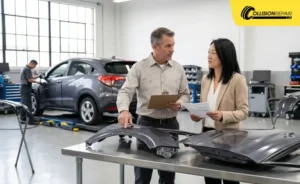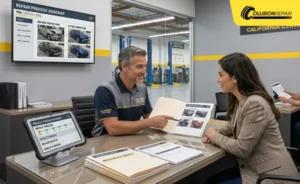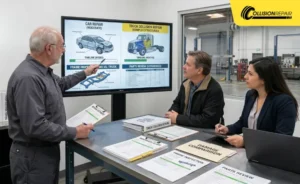
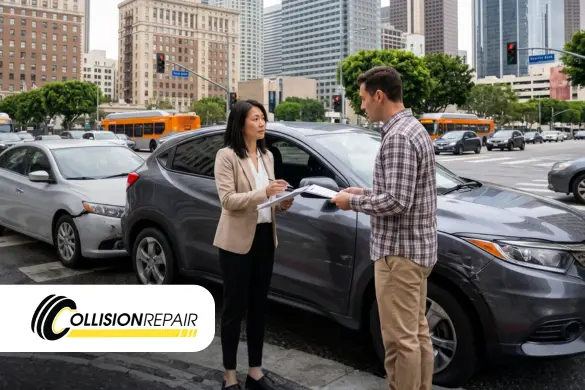
A crash can happen in seconds, but the repair process often lasts much longer. Whether the collision occurs on the I-405 during rush hour, along the Hollywood Freeway (US-101), or near landmarks such as Santa Monica Pier or Downtown Los Angeles, vehicle owners are often left wondering what to do next.
For many drivers, finding reliable collision repair Los Angeles services can feel overwhelming after an accident. Taking the right steps early can help protect your vehicle, your finances, and your peace of mind.
Here’s what every driver should know after a collision.
Why Collision Repair Los Angeles Requires Local Expertise
Los Angeles presents unique challenges for drivers.
The city has some of the busiest roadways in the country, including:
- I-5
- I-10
- I-405
- SR-110
- SR-134
- US-101
Heavy traffic, frequent lane changes, and congestion increase the risk of crashes throughout the region.
Los Angeles County Health Services reports that over 33,000 crashes occurred throughout Los Angeles County in 2025. With so many vehicles on the road, repair shops often encounter a wide range of damage types, vehicle makes, and insurance claim situations.
Local expertise matters because repair professionals are familiar with:
- California insurance requirements
- Common accident patterns in Los Angeles
- Vehicle inspection standards
- Regional traffic-related wear and damage
Common Types of Accident Damage Seen in Los Angeles
Not all collisions cause the same type of damage.
Many Los Angeles car accidents occur in stop-and-go traffic, leading to rear-end collisions. Others occur at busy intersections or freeway merge points.
Common collision-related damage includes:
Type of Damage | Description |
Bumper Damage | Cracks, dents, or detached bumpers |
Fender Damage | Scraping, bending, or misalignment |
Frame Damage | Structural issues affecting vehicle safety |
Paint Damage | Scratches, chips, and paint transfer |
Suspension Damage | Problems affecting steering and handling |
Door Damage | Dents, crushed panels, or alignment issues |
Headlight Damage | Broken or misaligned lighting systems |
Even seemingly minor damage can mask larger structural concerns.
Understanding Insurance Claims After a Collision
Insurance claims are often one of the most stressful parts of the repair process.
California follows a fault-based insurance system. This means the party responsible for causing the crash may be liable for damages.
After a collision, drivers should:
- Document the scene with photos.
- Exchange information with involved parties.
- Obtain a police report when appropriate.
- Notify their insurance company promptly.
- Request a repair estimate from a reputable shop.
California Insurance Code § 790.03(h) requires insurers to handle claims fairly and without unreasonable delay. However, drivers should review repair estimates carefully and ask questions whenever something is unclear.
Keeping organized records can help avoid delays during the claims process.
How to Choose a Trusted Collision Repair Shop
Not all repair facilities offer the same level of service.
When evaluating a collision repair shop, consider the following:
Look for Certifications
Industry certifications often indicate that technicians have received specialized training.
Ask About Repair Warranties
A reputable shop should clearly explain its warranty coverage.
Review Customer Feedback
Online reviews can provide insight into communication, workmanship, and customer satisfaction.
Request Detailed Estimates
Estimates should clearly explain labor, parts, and repair procedures.
Confirm Modern Equipment
Today’s vehicles often contain advanced driver-assistance systems that require precise calibration after repairs.
Choosing a qualified repair provider can make a significant difference in the final result.
OEM vs. Aftermarket Parts in Repairs
Vehicle owners are often asked whether they prefer OEM or aftermarket parts.
Here’s a quick comparison:
OEM Parts | Aftermarket Parts |
Manufactured by the vehicle maker | Produced by third-party manufacturers |
Designed specifically for the vehicle | May vary between manufacturers |
Typically more expensive | Often lower cost |
Consistent fit and finish | Quality can vary |
Drivers should discuss available options with both the repair facility and their insurance carrier.
The best choice often depends on:
- Vehicle age
- Budget considerations
- Insurance coverage
- Long-term ownership plans
How Traffic Conditions Impact Collision Repair Cases
Los Angeles traffic affects more than just commute times.
Congestion often contributes to:
- Rear-end collisions
- Sideswipe accidents
- Multi-vehicle crashes
- Parking lot impacts
- Low-speed freeway collisions
Many Los Angeles car accidents occur during peak commuting periods when traffic volume is highest.
These incidents can create complex repair situations involving multiple insurance carriers, overlapping damage, and extended repair timelines.
In heavily populated areas such as Downtown Los Angeles, Koreatown, Hollywood, and Santa Monica, repair demand may also increase after major traffic incidents.
What Affects Collision Repair Costs?
Repair costs vary significantly from one vehicle to another.
Several factors can influence pricing:
Vehicle Type
Luxury and specialty vehicles often require unique parts and repair procedures.
Extent of Damage
Structural repairs typically cost more than cosmetic repairs.
Parts Availability
Supply chain delays can affect both repair timelines and costs.
Technology Systems
Modern vehicles contain sensors, cameras, and safety features that may require recalibration.
Labor Requirements
More extensive repairs usually require additional technician time.
Because every collision is different, obtaining a professional inspection is the most accurate way to estimate repair expenses.
Protecting Your Vehicle’s Safety and Value After a Crash
Repairing visible damage is only part of the process.
Vehicle owners should also focus on preserving safety, resale value, and documentation that may support insurance or injury claims after a collision.
Consider these important steps:
- Schedule repairs promptly.
- Keep all repair records.
- Verify alignment and structural inspections.
- Ask about post-repair quality checks.
- Confirm safety systems are functioning correctly.
- Review warranty information before leaving the shop.
Delaying repairs can sometimes lead to additional issues, including corrosion, alignment problems, and reduced vehicle value.
Investing in quality repairs today may help prevent larger expenses later.
Quality Repairs After a Los Angeles Collision
A collision can disrupt daily life, but informed decisions can help make the recovery process smoother. Whether the accident occurred near the Hollywood Sign, around LAX, or anywhere else in Los Angeles, selecting the right repair provider is an important step toward restoring your vehicle’s safety, appearance, and value.
If you are looking for trusted collision repair Los Angeles services, Collision Repair (CORE) is here to help. Contact us today for a free quote and get the support you need to move forward with confidence after a collision.