A crash can instantly change how much your vehicle is worth—and that’s where auto collision repair becomes critical. Even after visible damage is fixed, many drivers worry about resale value, insurance implications, and long-term performance.
In California, where accident claims and vehicle disclosures can affect pricing, repairs alone may not fully restore a car’s market standing. The real question is not just whether your vehicle can be fixed, but whether its value can truly recover.
Here’s what you need to know before making decisions that impact both your car and your finances.
What Happens to Your Car’s Value After a Collision?
After an accident, your vehicle typically loses value even if repairs are completed properly. This is known as diminished value.
Buyers, dealerships, and even insurers consider:
- Accident history (reported through vehicle history reports like Carfax or AutoCheck)
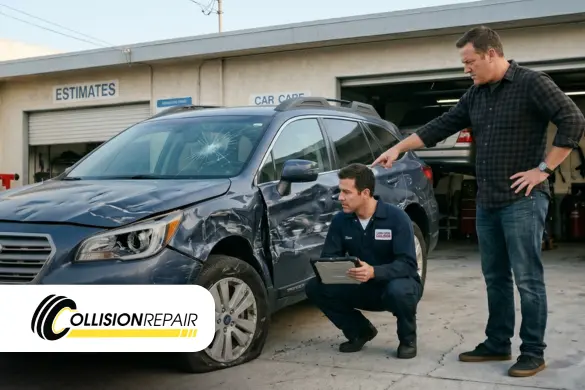
- Structural or frame damage
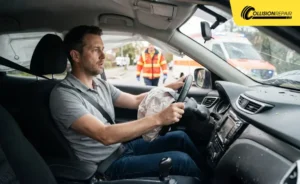
- Airbag deployment
- Quality of repairs
Even minor collisions can result in a measurable drop in resale value.
Can Repairs Fully Restore Market Value?
In most cases, auto collision repair restores functionality and appearance—but not full market value.
Here’s why:
Factor | Impact on Value |
Repair quality | High-quality repairs reduce visible damage but don’t erase history |
Type of damage | Structural damage lowers the value more than cosmetic issues |
Documentation | Poor or missing records can further reduce trust |
Buyer perception | Buyers often avoid previously damaged vehicles |
Even when repairs are flawless, the accident record remains.
The Role of Professional Repair Services
Choosing the right repair provider directly affects your outcome.
A streamlined repair platform like Collision Repair helps by:
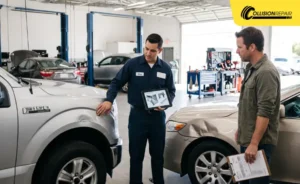
- Connecting you with certified body shops
- Ensuring consistent repair standards
- Coordinating with insurance companies
- Managing documentation for claims
This reduces delays and improves repair quality—both critical for preserving as much value as possible.
Legal Context: Diminished Value Claims in California
California law allows drivers to pursue diminished value claims after an accident caused by another party. These claims are usually filed against the at-fault driver’s insurance, not your own policy.
This means you may recover compensation for:
- The difference between your car’s pre-accident value and post-repair value
- Loss in resale or trade-in value
A California car accident lawyer can help assess:
- Whether your claim is valid
- How much value was lost
- What evidence is needed
Insurance companies often resist these claims, so proper documentation is key.
What Affects the Success of a Diminished Value Claim?
To strengthen your claim, focus on:
- Detailed repair records: Invoices, parts used, and repair timelines
- Vehicle appraisal reports: Before-and-after valuation comparisons
- Independent appraisal report: An independent expert valuation of your vehicle’s lost value
- Photos of damage and repairs: Visual proof of severity
- Accident reports: Police or insurance documentation
Without strong evidence, insurers may undervalue your claim or deny it entirely.
Steps That Protect Your Car’s Value From Day One
The decisions you make after a crash can directly influence your vehicle’s long-term value and your ability to recover losses.
1. Start with strong documentation
Capture photos and videos of the damage, surroundings, and vehicles involved. Exchange information and, when appropriate, file a police report to create an official record.
2. Choose repairs carefully
Work only with certified repair providers. Ask for detailed invoices, parts lists, and timelines. Avoid shortcuts—lower-quality repairs can reduce both safety and resale value.
3. Validate your vehicle’s post-repair condition
Once repairs are complete, consider a professional appraisal to assess any remaining loss in value. Review your vehicle history report for accuracy and keep all documentation organized.
A consistent, well-documented process strengthens both your insurance position and future resale opportunities.
Common Misconceptions About Car Value Restoration
“If it looks new, it’s worth the same.”
Appearance alone does not determine value. History plays a major role.
“Insurance covers everything automatically.”
Most policies cover repairs—but not diminished value unless pursued separately.
“Any repair shop will do the same job.”
Repair quality varies significantly. Poor repairs can further reduce value.
When to Consider Legal or Professional Help
You may benefit from expert guidance if:
- The accident involved significant damage
- Liability is disputed
- Your insurance offer seems low
- You plan to sell or trade the vehicle soon
Professionals can help quantify losses and negotiate effectively.
How Collision Repair Streamlines the Process
Managing repairs, insurance, and documentation at once can be overwhelming—especially for busy professionals.
Collision Repair helps simplify next steps by:
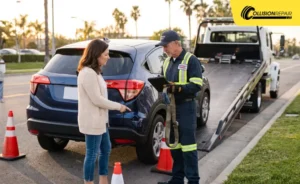
- Connecting you with vetted repair shops and towing services
- Coordinating directly with insurance providers
- Helping reduce out-of-pocket expenses
- Keeping documentation organized for your claim
This structured approach reduces delays and helps you move forward with fewer complications.
Protect Your Vehicle’s Value and Your Financial Outcome
Auto collision repair restores your vehicle’s condition, but it may not fully recover its market value. That difference can affect resale, trade-in potential, and total claim outcomes.
Taking early action—choosing quality repairs and maintaining complete records—can make a meaningful difference in your financial recovery. If you’ve been in a crash, request a free quote to protect your vehicle and improve your claim outcome.