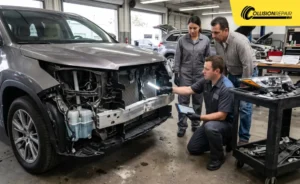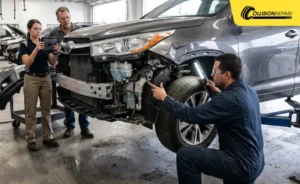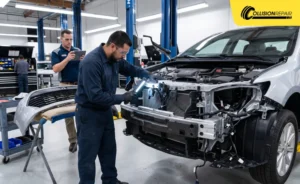
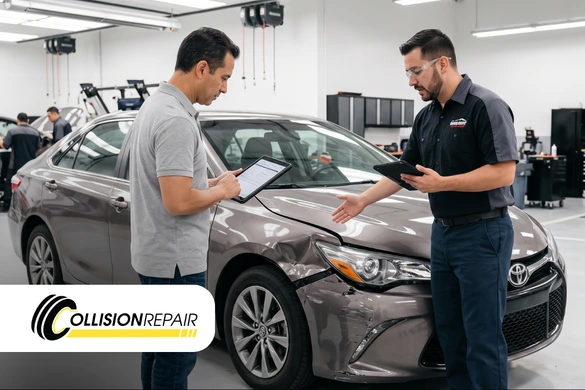
Imagine walking into an auto repair business or auto body shop after an accident, expecting a simple update with an estimated price in mind, only to find the shop had turned a single bolt without your knowledge, or worse, handed you safety system inspections or an unexpected bill for thousands of dollars. Under state law, securing a proper auto repair authorization in California is mandatory before a preventative maintenance service, mechanic, or collision center can start work or charge you a single dime.
An automotive repair dealer can’t do so without your permission: whether you are navigating a complex California car accident claim or paying out of pocket, California provides robust statutory consumer protections against unauthorized automotive repair.
Knowing anything about customer authorization and your rights regarding quotes, vehicle teardown, and approval of extra expenses keeps you in complete control of your vehicle’s repair path; authorization forms are always necessary.
Can a Body Shop Start Repairs Without Your Approval in California?
The short answer is no. Under the business and professions code, such as the California Business and Professions Code § 9884.9, an auto body repair facility cannot perform any work or accrue financial charges without authorization forms until they obtain an explicit auto repair authorization in California from the vehicle owner; not even a vehicle inspection; automotive repair dealers cannot start to do anything to your car.
This statute applies across the board, from local independent auto body garages to major dealership collision centers. If a technician begins performing automotive repairs, such as pulling frame rails, swapping panels, or painting bumper covers, without your signed or documented approval, the shop cannot legally enforce payment for that work.
What Must a Repair Shop Disclose Before Beginning Work?
In the auto repair business, before you ever sign an auto repair authorization in California, state law requires the repair shop to hand you an itemized written estimate, which gives you an estimated price for the repair to your vehicle.
According to the rules enforced by the California Bureau of Automotive Repair (BAR), a valid initial estimate must include:
- Labor & Parts Breakdown: Detailed line items distinguishing labor costs from replacement components.
- Part Classifications: Clear indicators stating whether parts are Original Equipment Manufacturer (OEM), aftermarket, used, or reconditioned.
- Sublet Work: Clear notice if specific tasks (such as wheel alignments or advanced sensor glass calibrations) will be outsourced to a third-party vendor.
What About Diagnostic Teardowns?
If the auto shop needs to disassemble parts of your vehicle to locate hidden collision damage, they cannot simply charge you for that automotive repair. They must provide a specific “teardown estimate” stating the maximum dollar amount for the disassembly and reassembly before taking a single panel off; another written estimate or authorization forms.
What Counts as Legal Authorization for Additional Repairs?
The automotive repair dealer can tell you: collision repairs rarely follow a perfectly straight path. Even with preventive maintenance services, once technicians disassemble bumper covers or fender liners, unexpected frame bends or electronic sensor faults often emerge.
When extra work is required beyond the initial quote, a shop must pause and secure a secondary auto repair authorization in California.
Under state regulations, authorization can take three recognized formats:
Format | Mandatory Documentation Requirements |
Written | Physical signature and date on the updated estimate or work order. |
Electronic | Written consent transmitted via email or verified text messaging. |
Oral / Phone | Logged on the work order with the date, time, phone number called, authorized dollar amount, and technician’s signature. |
What Can You Do If Unauthorized Repairs Are Performed?
If the auto shop completes automotive repair you never signed off on or bills you well above your agreed estimate, you have clear legal remedies under California law.
- Refuse Unauthorized Payment: Under Business and Professions Code § 9884.9, you are legally obligated to pay only for the work you specifically authorized in writing or via logged consent, which includes preventative maintenance services.
- File an Official BAR Complaint: You can file a formal complaint with the California Bureau of Automotive Repair. A BAR field representative will investigate the shop’s work orders, timestamps, and signed documents. If the shop violated state disclosure laws, BAR can intervene and mediate to adjust the bill or penalize the facility; consumer complaints will be very useful.
- Protect Against Mechanic’s Liens: A repair facility cannot legally hold your vehicle hostage under a possessory mechanic’s lien if the underlying repair work was entirely unauthorized.
- Consult Legal Representation: In severe disputes involving an ongoing California car accident claim, consulting a consumer protection or personal injury attorney ensures the body shop or insurer doesn’t breach your owner rights.
How Can You Protect Yourself Before Approving Repairs?
To stay protected throughout the repair process, follow these practical precautions:
- Never Sign a Blank Work Order: Not even if it’s a safety system inspection: Tow truck drivers and tow-yard storage shops often hand vehicle owners broad “authorization to repair” forms immediately following an accident. Never sign a document that lacks an itemized dollar total, not even if they told you it’s a preventative maintenance service.
- Don’t Rely Solely on Insurer Approval: Even if an insurance company pays for your California car accident claim, the insurance adjuster cannot sign away your statutory owner rights. The body shop still needs your direct permission to proceed with automotive repair on your personal property.
- Keep a Paper Trail: Save every digital estimate, text approval message, and email thread exchanged with your service writer.