Whether you’re commuting along Interstate 5, traveling on Highway 50, or driving through busy corridors like Watt Avenue, Arden Way, or Downtown Sacramento, a collision can happen when you least expect it. After an accident, restoring your vehicle involves much more than repairing visible dents or scratches.
Understanding aluminum vs. steel body repair is essential, as today’s vehicles are built with different materials that require specialized repair methods. Aluminum and steel respond differently to impact, heat, and repair techniques, making it important to choose a collision repair shop with the right equipment and expertise.
If another driver’s negligence caused your accident, consulting a Sacramento auto accident attorney can also help you understand your legal rights while your vehicle is being repaired.
How Aluminum Differs From Traditional Steel
For decades, steel has been the standard material used in vehicle manufacturing because of its durability, strength, and affordability. However, as manufacturers strive to improve fuel efficiency and reduce vehicle weight, aluminum has become increasingly common in many modern cars, trucks, and SUVs.
Although they may appear similar, aluminum and steel behave very differently during a collision.
Some of the biggest differences include:
- Aluminum weighs significantly less than steel
- Steel is generally more rigid and easier to reshape
- Aluminum absorbs and distributes impact forces differently
- Aluminum requires specialized repair methods
- Both materials provide excellent safety when repaired correctly
Manufacturers often combine both materials within a single vehicle to maximize strength while reducing weight. As a result, technicians must identify the material involved before determining the appropriate repair strategy.
According to the National Highway Traffic Safety Administration (NHTSA), proper vehicle repairs help restore important crash protection systems and structural integrity following an accident.
Why Aluminum Repairs Require Specialized Equipment
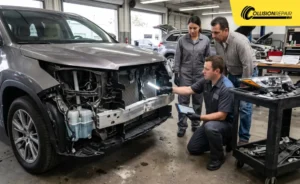
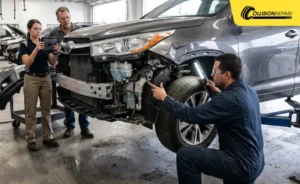
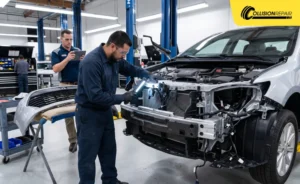
One of the biggest differences between aluminum and steel body repair is the equipment and environment used during repairs.
Unlike steel, aluminum is softer and much more susceptible to contamination. Repair shops must use tools dedicated exclusively to aluminum work because microscopic steel particles transferred during grinding or sanding can lead to corrosion over time.
Professional aluminum repair typically requires:
- Dedicated aluminum repair bays
- Specialized welding equipment
- Aluminum-specific dent repair tools
- Separate sanding and grinding equipment
- Manufacturer-approved repair procedures
Technicians also receive specialized training to understand how aluminum reacts to heat, pressure, and structural repairs. These additional requirements help ensure repairs meet manufacturer specifications while preserving the vehicle’s safety and performance.
Can Aluminum Panels Be Repaired or Must They Be Replaced?
Many drivers believe that damaged aluminum panels always need replacement, but that is not necessarily true.
Whether an aluminum panel can be repaired depends on several factors, including:
- Severity of the impact
- Location of the damage
- Whether the material has stretched
- Structural involvement
- Manufacturer repair recommendations
Minor dents or cosmetic damage can often be repaired using specialized techniques and equipment. However, if the aluminum has stretched beyond acceptable limits or the damage affects structural integrity, replacing the panel may be the safest option.
Professional technicians inspect every damaged component carefully before determining whether repair or replacement is appropriate.
How Material Type Affects Repair Time and Cost
Repair costs and timelines often vary depending on whether damaged components are made from aluminum or steel.
Aluminum repairs typically require:
- Additional technician training
- Specialized equipment
- Dedicated repair workspaces
- More detailed repair procedures
These requirements may increase labor time compared to traditional steel repairs. However, factors such as parts availability, insurance approvals, hidden damage, and manufacturer repair guidelines often have an even greater impact on the overall repair timeline.
Whether your accident occurred near Interstate 80, Highway 99, Florin Road, Elk Grove, Natomas, or Rancho Cordova, choosing a repair facility experienced in both aluminum and steel repairs helps ensure your vehicle is restored safely and efficiently.
If another driver’s negligence caused your collision, a Sacramento auto accident attorney may also help you pursue compensation for vehicle repairs, medical expenses, and other accident-related losses.
Learn more about our Insurance Claims Assistance to understand how we work with insurers throughout the repair process.
Why Cross-Contamination Must Be Prevented
One of the most important considerations during aluminum repairs is preventing cross-contamination.
When tiny steel particles become embedded in aluminum surfaces, galvanic corrosion can develop over time. This corrosion may weaken repaired areas and shorten the repair’s longevity.
Professional collision repair shops prevent contamination by:
- Maintaining dedicated aluminum work areas
- Using aluminum-only repair tools
- Cleaning equipment thoroughly
- Following the manufacturer’s repair procedures
- Providing specialized technician training
Choosing a repair shop equipped to handle aluminum repairs helps protect the quality and durability of your vehicle.
The U.S. Department of Energy explains how lightweight materials, such as aluminum, contribute to improved fuel efficiency and modern vehicle design.
What to Ask an Auto Body Shop About Aluminum Repair
Not every collision repair facility has the equipment or training needed to repair aluminum vehicles correctly.
Before authorizing repairs, consider asking:
- Does your shop repair both aluminum and steel vehicles?
- Are technicians trained in manufacturer-approved aluminum repairs?
- Do you have dedicated aluminum repair equipment?
- How do you prevent cross-contamination?
- Will you follow the manufacturer’s repair procedures?
- Do your repairs include a warranty?
Whether you live in Sacramento, Carmichael, Citrus Heights, Folsom, Roseville, or nearby communities, asking these questions can help you choose a repair shop that can restore your vehicle safely and accurately.
Understanding aluminum vs. steel body repair allows drivers to make informed decisions and avoid shortcuts that could compromise vehicle safety or long-term performance.