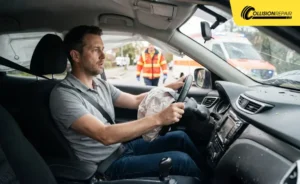
A damaged car can disrupt work, school, family plans, and daily travel within minutes. After the vehicle arrives at a body shop, the first question is often: How long does collision repair take?
A light bumper repair may require only a few business days, while structural damage, delayed insurance approval, or back-ordered parts can extend the process for several weeks. The final schedule depends on more than visible dents.
Technicians must inspect hidden components, document damage, perform safe repairs, refinish affected panels, and verify that every system functions correctly. The following timeline explains each stage and shows where delays may occur.
What Determines a Collision Repair Timeline?
Repair time depends on the impact area, vehicle design, shop workload, parts availability, insurance response time, and required safety procedures.
Repair factor | Effect on the schedule |
Minor dents or scratches | May take only a few days |
Several damaged panels | Adds repair, refinishing, and assembly time |
Structural or suspension damage | Requires measuring, straightening, and safety checks |
Airbags, cameras, or sensors | May require replacement and calibration |
Uncommon or back-ordered parts | Can delay the start or completion date |
A shop may provide an initial completion estimate, but the schedule can change after damaged parts are removed.
Initial Inspection and Damage Assessment
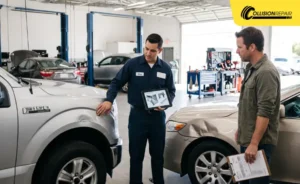
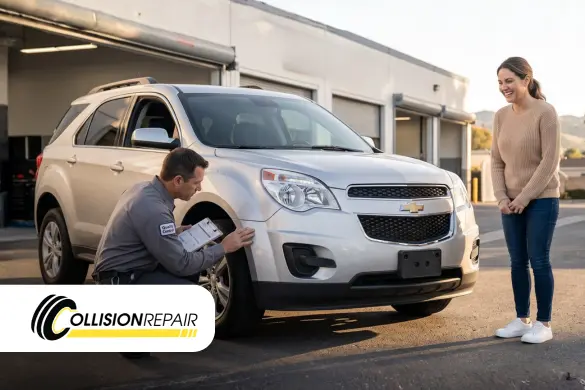
The process begins with photographs, measurements, diagnostic scans, and a visual inspection. A technician records exterior damage and checks nearby mechanical, electrical, and structural systems.
Some problems remain hidden behind bumpers, trim, wheel liners, or interior panels. After disassembly, the shop may find broken brackets, bent supports, wiring damage, leaks, or sensor issues. These findings can change the estimate and timeline.
California Business and Professions Code section 9884.9 requires automotive repair dealers to provide an estimate and get customer authorization before starting repairs. The estimate must describe the work and state the estimated price for parts and labor.
Insurance Authorization and Supplemental Estimates
Insurance review is often the least predictable stage. An adjuster may inspect the vehicle, review digital photographs, or rely on a preliminary estimate.
When teardown reveals additional damage, the shop submits a supplemental estimate. The insurer may request photographs, measurements, invoices, or other documentation before approving the additional work. Repairs may pause while the shop and insurer address labor hours, repair methods, or part pricing.
The vehicle owner remains the customer. California’s Bureau of Automotive Repair states that a shop must obtain the owner’s authorization for repairs and supplemental estimate revisions. An insurer’s approval does not replace the owner’s consent.
California consumers may also choose the auto body shop that repairs covered damage. Insurers cannot require repairs at one specific shop. Consumers are entitled to an itemized written estimate and a detailed invoice.
Help prevent avoidable delays by:
- Responding quickly to authorization requests
- Asking when each supplement was submitted
- Confirming rental coverage limits
- Requesting written updates when dates change
- Saving estimates, photographs, invoices, and insurer messages
If the crash caused injuries or a serious claim dispute, a Bakersfield auto accident attorney may address liability and compensation while the shop handles the vehicle.
Parts Ordering and Repair Work
After approval, the shop orders parts and schedules the repair. Common components may arrive quickly. OEM parts, specialized electronics, high-voltage vehicle components, or pieces for older models may take longer.
Technicians may repair or replace body panels, frame components, suspension parts, lamps, glass, cooling parts, and safety equipment. Structural work can require computerized measurements to confirm that the repaired vehicle meets manufacturer specifications.
The answer to the question of how long collision repair takes often changes here. One delayed headlamp, bracket, sensor, or molding can prevent reassembly even after the main body work is finished.
Painting, Reassembly, and Quality Control
Refinishing includes surface preparation, paint matching, coating application, and curing. Nearby panels may need blending so the repaired area has a consistent appearance.
After painting, technicians reinstall trim, lights, handles, glass, interior pieces, and electronic components. Vehicles with cameras, radar, parking sensors, or driver-assistance features may require calibration.
Final checks may include:
- Panel-gap and finish inspection
- Diagnostic scanning
- Wheel alignment or road testing
- Fluid and warning-light checks
- Camera and sensor calibration
Quality control helps prevent the vehicle from being returned with unresolved safety or appearance concerns.
Why Some Collision Repairs Take Longer Than Expected
Completion dates can change for reasons outside the technician’s control. Hidden damage may appear during disassembly. Parts may arrive damaged, incorrect, or incomplete. Insurers may need more time to review supplements. Manufacturer procedures may also require added repair steps.
Common causes of delay include:
- Severe structural or suspension damage
- Multiple supplements
- Parts shortages or shipping problems
- High shop demand
- Sublet glass, alignment, or calibration work
- Defects found during final inspection
Ask for the reason for the delay, a revised timeline, and the next expected milestone.