SUMMARY
After a crash in California, drivers have the legal right to choose their own body shop. This blog explains Insurance Code § 758.5, how insurer networks operate, payment considerations, repair risks, and key questions to ask. Learn how to protect your vehicle, safety, and financial interests.
Table of Contents
After a crash, most drivers face the same question: can you choose your own body shop, or must you follow your insurer’s recommendation? In California, this decision can affect repair quality, timelines, and even the value of your vehicle.
Insurance adjusters often recommend specific facilities, which can create confusion about your legal rights. Understanding how these recommendations work—and what the law allows—helps you protect both your vehicle and your financial interests.
Before authorizing repairs, it’s important to know where you stand.
Do You Have the Legal Right to Choose Your Body Shop?
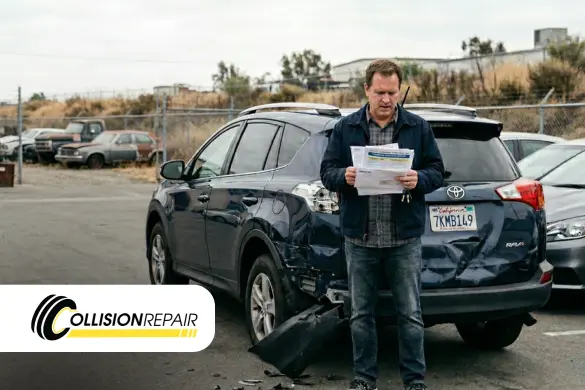
Yes. In California, you generally have the right to select the repair facility you trust.
Insurance companies cannot legally force you to use a specific repair shop. While they may recommend a shop in their network, the final decision is yours.
This matters because repair quality directly impacts:
- Vehicle safety
- Warranty coverage
- Resale value
- Long-term performance
When asked, “Can you choose your own body shop?” the short answer is yes. Under California Insurance Code § 758.5, insurers cannot require you to use a specific repair facility. The longer answer involves understanding how insurer networks operate.
Why Insurance Companies Recommend Certain Repair Shops
Insurance carriers often maintain networks of contracted facilities. These are sometimes referred to as direct repair programs (DRPs).
Why do insurers promote these shops?
- Pre-negotiated labor rates
- Standardized repair processes
- Streamlined billing
- Cost controls
From the insurer’s perspective, these arrangements reduce claim costs and administrative friction. For vehicle owners, however, cost efficiency for the insurer does not always equal the best outcome for the car.
What “Preferred Auto Body Shop” Really Means
A preferred auto body shop is typically part of an insurer’s repair network. These shops agree to certain pricing and procedural guidelines in exchange for steady referrals.
This does not automatically mean the shop provides poor service. Many network facilities are reputable. However, their contractual relationship with the insurer may influence:
- Parts selection (OEM vs. aftermarket)
- Repair timelines
- Supplement approvals
Understanding the structure behind a preferred auto body shop helps you make an informed decision rather than reacting to pressure.
Will Insurance Still Pay If You Choose a Different Shop?
Yes, in most cases.
If you select a repair facility outside the insurer’s network, your carrier is still responsible for paying covered damages under your policy. Under California Insurance Code § 758.5(d)(2), if you choose your own shop, the insurer cannot limit or discount the reasonable repair costs based on what their preferred shop would have charged. This means the insurer cannot use their DRP shop’s rates as a payment ceiling simply because you went elsewhere.
However, there may be practical differences to keep in mind:
- Warranty coverage may differ from what a network shop offers
- Disputes over whether a specific repair cost is “reasonable” can still arise, which is why getting a detailed written estimate upfront matters
If you’re wondering again, can you choose your own body shop? The answer remains yes — and California law protects you from being penalized financially for making that choice. Confirm all payment terms in writing before repairs begin.
Risks of Letting Insurance Dictate Repairs
Allowing the insurer to control the process without scrutiny can create risks.
Potential concerns include:
- Use of non-OEM or aftermarket parts
- Shortcuts to meet cost targets
- Pressure to repair rather than replace damaged components
- Limited transparency in supplement negotiations
Vehicle safety systems are complex. Modern cars rely on sensors, calibration systems, and structural integrity. Substandard collision repair can compromise performance and safety.
You should always request a detailed estimate and ask about:
- Parts origin
- Calibration procedures
- Structural measurements
- Warranty terms
How to Respond if an Adjuster Pressures You
If you feel pressured to use a specific facility, remain calm and request clarification.
You can say:
- “I understand your recommendation, but I would like to use a shop of my choice.”
- “Please confirm in writing that my policy allows me to select my repair facility.”
Document all communications.
In California, auto repair facilities are subject to state oversight. The California Bureau of Automotive Repair enforces the Automotive Repair Act and related regulations, which set standards for how repair transactions must be handled.
Under these rules, repair shops must:
- Provide a written estimate before work begins
- Obtain customer approval before making repairs
- Keep customers informed throughout the process
- Issue an itemized invoice
- Maintain records of labor and parts used
These safeguards exist to protect vehicle owners, not insurers.
Questions to Ask Before Making Your Final Decision
Before authorizing any repairs, ask the shop the following:
Question | Why It Matters |
Do you use OEM parts? | Protects safety and resale value |
Are technicians certified? | Ensures proper repair standards |
Will you handle insurance negotiations? | Reduces stress during claims |
Do you provide a written warranty? | Protects against future defects |
Are post-repair calibrations included? | Critical for modern safety systems |
Being proactive reduces disputes later.
Broader Context: Why Repair Decisions Matter
Modern vehicles are engineered with complex structural components and integrated safety systems. Even moderate impacts can affect more than what is visible on the surface.
Poor repair work can affect:
- Airbag deployment timing
- ADAS sensor alignment
- Frame integrity
- Insurance valuation
In serious California car accident claims, disputes over the scope of repairs are common. The body shop you choose can affect documentation, supplemental claims, and total-loss determinations.
The repair facility becomes part of your claim ecosystem.
Protect Your Vehicle by Choosing the Right Shop
So, can you choose your own body shop after an accident in California? Yes. The law supports your right to decide where your vehicle is repaired. Insurer recommendations are not mandates.
Take time to:
- Review your policy
- Compare estimates
- Ask detailed questions
- Document everything
If you need professional guidance or high-quality collision repair, connect with the Collision Repair team. We match drivers with trusted repair shops, work directly with insurance providers, and streamline the process to minimize out-of-pocket costs and delays.
Contact us today for a FREE quote and take control of your repair decision with confidence.
Frequently Asked Questions
Can my insurance delay my claim if I choose a different shop?
No. They cannot deny or delay a covered claim solely because you selected a non-network shop, though payment reviews may take time.
Do I have to accept aftermarket parts?
Not automatically.
Under California Code of Regulations, Title 10, § 2695.8(g), an insurer may specify non-OEM (aftermarket) crash parts only if all of the following conditions are met: the parts are equal to OEM in kind, quality, safety, fit, and performance; the insurer pays for any modifications needed to make them fit; the insurer provides a written warranty that the parts meet OEM standards; and proper disclosure is made under Business and Professions Code § 9875.1.
If the insurer cannot satisfy all of these requirements, it cannot require the use of aftermarket parts. Always request part details in writing and ask whether the insurer is providing the required warranty before approving any repairs.
Will using my own shop void my warranty?
Generally, no—if repairs follow manufacturer standards. Always confirm the shop provides a written warranty.