After a collision on the I-5, Highway 99, or the I-405, your vehicle may look repairable—but appearances can be deceiving. Many drivers worry about hidden damage, unclear estimates, and whether insurance companies are covering the right repairs.
A professional car collision repair shop does more than fix dents and paint. It helps protect your vehicle’s safety, repair quality, and documentation while supporting the insurance process.
Understanding what to expect can also help safeguard California car accident claims and ensure repairs are completed correctly the first time.
Comprehensive Vehicle Inspection and Damage Assessment
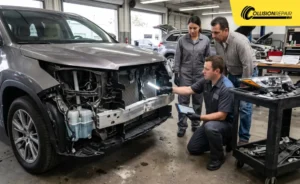
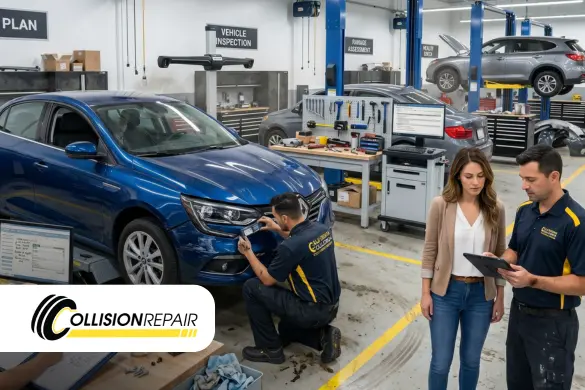
A professional car collision repair shop looks beyond visible damage. A thorough inspection should include:
- Paint, headlights, trunk, and rear bumper evaluation
- Diagnostic tools to identify hidden mechanical issues
- Frame measuring and alignment rack testing
- ADAS Calibration for cameras and safety systems
- Inspection of sophisticated sensors affected by the collision
This process helps identify hidden damage early, supports repair accuracy, and ensures the vehicle is restored safely before repairs begin.
Accurate, Transparent Repair Estimates
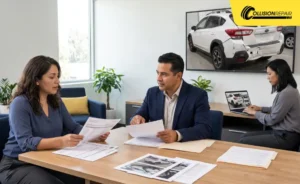
A professional car collision repair shop should provide a clear, detailed Estimate before repairs begin. The estimate should outline:
- Labor and repair procedures
- OEM parts and Original Equipment Manufacturer alternatives
- Auto body repairs and mechanical repair needs
- Expected turnaround time
- Possible supplements for hidden damage discovered later
A transparent estimate helps customers understand costs, supports insurance claims, and provides valuable documentation for California car accident claims when repair disputes arise.
Call the Collision Repair (CORE) to get a professional free quote tailored for your case.
Insurance Coordination and Claim Support
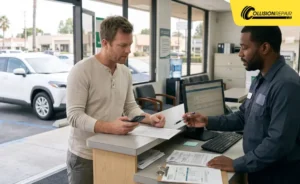
Your car collision repair shop should do more than repair vehicles; it should guide you through the insurance process by:
- Communicating directly with insurance companies
- Documenting damage and repair findings
- Providing photos and supporting records
- Keeping the Customer informed throughout the claim
This documentation can become especially important when California car accident claims involve disputes over safety, liability, trade-in value, repair costs, or the extent of collision-related damage.
Certified Technicians and Specialized Equipment
One of the clearest signs of a professional car collision repair shop is its investment in people and technology. Look for shops that employ certified technicians and body shop technicians with credentials such as:
- I-CAR Gold Class recognition
- OEM Certified programs
- Automotive Service Excellence (ASE) certifications
These training organization standards are supported by state-of-the-art equipment, advanced technology, and ongoing education, helping ensure repairs meet manufacturer requirements, safety expectations, and industry best practices.
Structural and Frame Repair Expertise
Not all collision damage is visible. A professional car collision repair shop should be equipped to perform Frame & Structural Repairs using:
- Frame Straightening Equipment
- computerized unibody and frame straightening equipment
- Frame/unibody alignment and repair systems
These tools help restore the vehicle to manufacturer specifications. Improper structural repairs can affect safety, alignment, repair accuracy, insurance documentation, and even future California car accident claims involving hidden damage or diminished vehicle performance.
Quality Parts: OEM vs. Approved Alternatives
A professional car collision repair shop should explain the differences between replacement part options and document what is used during repairs.
OEM Parts (Original Equipment Manufacturer) | Approved Alternatives |
Made by the vehicle manufacturer | Made by third-party suppliers |
Designed to meet industry standards | |
Often preferred for newer vehicles | May help reduce repair costs |
Whether using OEM parts or approved alternatives, proper documentation is important for Warranty coverage, lifetime guarantee programs, and California car accident claims involving repair quality or vehicle value.
Precision Paint Matching and Refinishing
A professional car collision repair shop should restore your vehicle’s appearance as accurately as possible using:
- Computerized color matching and paint-matching technology
- Paint & refinishing procedures that meet manufacturer standards
- Water-based paint systems and paint baking booths
- Paintless dent repair, when appropriate for minor damage
These processes help achieve a consistent finish, improve customer satisfaction, and protect the vehicle’s trade-in value long after the collision repair is complete.
Safety System and ADAS Recalibration
Modern vehicles rely on advanced safety technology that may be affected even in moderate collisions. A professional car collision repair shop should perform:
- ADAS Calibration using specialized ADAS Calibration Equipment
- diagnostic tools to verify system performance
- testing of sophisticated sensors, cameras, and warning systems
Proper recalibration helps restore safety systems to manufacturer standards, protects drivers and passengers, and creates documentation showing the vehicle was repaired and tested correctly after the collision.
Final Quality Control and Safety Inspection
Before returning a vehicle, a professional car collision repair shop should complete a thorough quality control process, including:
- A road test and alignment verification
- Sensor checks and system diagnostics
- Glass Repair & Replacement inspections
- Body repair and refinish verification
- Final Customer Service review and documentation
A quality repair is about more than appearance. The goal is to return a vehicle that has been inspected, tested, and verified for safety, performance, and long-term reliability.
Warranty Protection and Post-Repair Support
The repair experience should not end when you pick up your vehicle. A professional car collision repair shop often provides:
- Warranty coverage or a lifetime guarantee on workmanship
- After-hours drop-off options
- An on-site rental department, when available
- Appointment scheduling and customer amenities
- Services such as a complimentary car wash
Strong post-repair support reflects confidence in the quality of the work and helps improve overall customer satisfaction and peace of mind.
Choose a Collision Repair Shop You Can Trust
At Collision Repair (CORE), we help Californians connect with trusted Certified Collision Centers, experienced auto body shop professionals, and support throughout the insurance process. From detailed documentation to quality repairs, every step matters—especially when California car accident claims are involved.
Whether you need a free estimate or want to schedule an appointment, CORE can help you find reliable repair solutions designed to restore your vehicle safely and correctly.