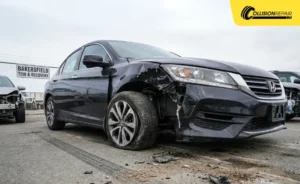
After an accident, most drivers focus on visible damage, such as dents, broken lights, or cracked bumpers. Yet some of the most critical post-crash repairs are invisible and easy to overlook. Modern vehicles rely heavily on sensors, cameras, and computerized safety systems that can be affected even by low-speed impacts.
When these systems are misaligned, your car may appear to be fixed but remain unsafe to drive. Understanding why recalibration matters is essential for protecting yourself, your passengers, and others on California roads.
To see the whole picture, it helps to know how today’s safety technology works after a collision.
Why Modern Cars Depend on Safety Sensors After a Crash
Today’s vehicles are equipped with advanced safety technologies designed to prevent accidents or reduce their severity. These systems rely on cameras, radar, and ultrasonic components that constantly monitor road conditions. A single car sensor can control braking assistance, steering alerts, or crash warnings in real time.
According to the Insurance Institute for Highway Safety, vehicles equipped with forward collision warning and automatic emergency braking reduce rear-end crashes by more than 40 percent. However, this benefit depends on precise alignment.
After a collision, even a slight shift in mounting angles can cause false alerts—or worse, no alerts at all. That is why thorough post-crash repairs must include system checks beyond cosmetic fixes.
How Even Minor Bumps Can Misalign ADAS Systems
Many drivers assume safety systems are only affected in severe crashes. In reality, parking lot bumps, curb strikes, or low-speed rear-end accidents can disrupt ADAS components. Cameras are often mounted behind windshields or bumpers, while radar units are typically situated near grilles or fenders. These areas are frequently impacted in minor collisions.
Features such as lane assist, blind spot monitoring, and forward collision warning rely on precise calibration to function correctly. If the system reads distances or angles inaccurately, it may respond too late or activate unnecessarily.
Proper ADAS calibration ensures these systems match manufacturer specifications after repairs. Skipping this step during collision repair can compromise safety without obvious warning signs.
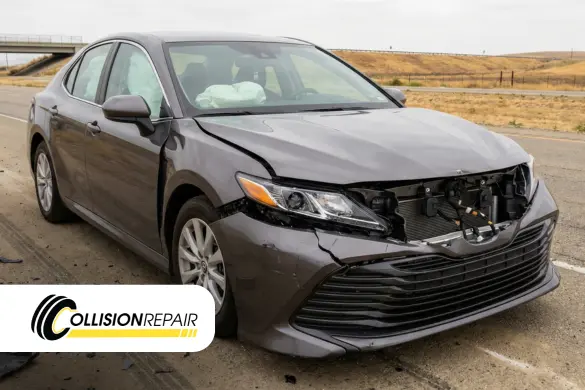
Signs Your Sensors Need Recalibration
Some recalibration issues trigger dashboard alerts, but many do not. Drivers in California should pay close attention to any changes in their vehicle’s behavior after repairs. Warning signs may include inconsistent alerts or features that suddenly stop working.
Common indicators include:
- Lane departure warnings are activating without lane changes
- Blind spot alerts are turning on when no vehicle is present
- Forward collision warnings triggering too late or too early
- Steering assistance feels uneven or unresponsive
If any of these occur, it may indicate that a car sensor or camera is no longer aligned. Addressing these issues early can prevent further damage and reduce risk.
Why Body Work and Sensor Calibration Must Go Hand-in-Hand
Modern repairs necessitate coordination between physical restoration and the accuracy of digital systems. Replacing a bumper, windshield, or side panel often involves removing and reinstalling components that house sensors. Without recalibration, these parts may be slightly off position, even if installed correctly.
A qualified auto body shop in Bakersfield or a similar California market should follow manufacturer repair procedures, which often mandate recalibration after structural or cosmetic work. This step ensures that safety systems communicate accurately with braking, steering, and warning functions.
Effective post-crash repairs are no longer just about restoring appearance—they are about restoring performance and protection.
How Incorrect Calibration Leads to Major Safety Risks
Improper calibration can create a false sense of security. Drivers may believe their safety features are active when, in fact, they are not functioning as intended.
In some cases, airbags may not deploy correctly if sensors misread impact data. An airbag in cars depends on accurate crash detection to deploy at the right moment.
Safety risks associated with incorrect calibration include delayed braking response, failure to detect nearby vehicles, and reduced crash mitigation. Over time, these issues can increase the likelihood of secondary accidents.
Reliable collision repair practices include system diagnostics, test drives, and recalibration checks to reduce these dangers and protect long-term vehicle safety.
Practical Steps for Car Owners After an Accident
To protect yourself after a collision, consider the following steps:
- Request documentation confirming sensor inspections and recalibration
- Ask whether ADAS components were affected by the repair area
- Test safety features during initial drives after repairs
- Use platforms like Collision Repair (CORE) to find verified repair shops
Choosing experienced professionals ensures that both physical damage and electronic systems are correctly addressed.
Finish Repairs the Right Way—With Safety in Mind
Modern vehicles demand a contemporary approach to safety. Ignoring sensor and system calibration after an accident can compromise critical protections, even when the car appears fully repaired. Proper post-crash repairs not only protect vehicles but also save lives.
Collision Repair connects California drivers with trusted repair shops and towing services that meet current safety standards. If your vehicle has been in an accident, request a free repair quote today to ensure your car is restored safely, accurately, and completely.