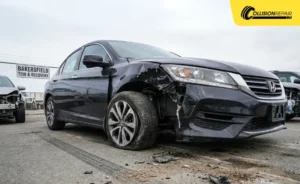
After a crash, most drivers focus on visible damage—such as dents, scratches, or a misaligned bumper. What often goes unnoticed are the issues beneath the surface. Post-collision mechanical repairs are critical, even when an accident seems minor. A low-speed impact can transfer force through a vehicle’s structure, stressing components that are not immediately visible.
In California, where daily driving involves heavy traffic and frequent stop-and-go collisions, overlooking these problems can lead to unsafe driving conditions and higher long-term costs. Knowing what to look for after a crash is the first step toward protecting your vehicle and your safety.
Why Mechanical Damage Is Common in “Minor” Accidents
Modern vehicles are engineered to manage impact energy. When a collision occurs, the force does not stop at the bumper. It travels inward, affecting connected systems. Even at low speeds, this energy can cause critical components to shift or weaken.
Common mechanical issues seen after seemingly minor accidents include:
- Broken or cracked engine mounts
- Transmission alignment problems
- Radiator or cooling system leaks
- Bent subframes or crossmembers
Vehicles use engineered deformation areas at the front and rear to manage crash energy. These areas compress in a controlled way to reduce harm to occupants and limit catastrophic structural damage.
While this design improves safety, it also means that force is intentionally redirected through the vehicle, increasing the risk of hidden mechanical damage that requires proper assessment and evaluation.
Symptoms of Hidden Mechanical Problems After a Crash
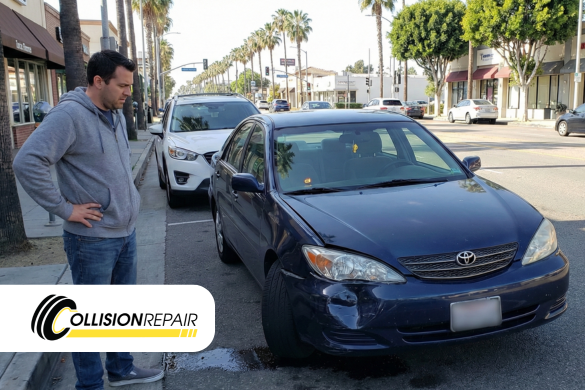
Mechanical issues often develop gradually after an accident has occurred. Drivers may not notice them immediately, especially if the car is still running. Paying attention to early warning signs can prevent breakdowns or safety failures.
Watch for the following symptoms:
- New vibrations or shaking while driving
- Unusual noises when accelerating or braking
- Steering that pulls to one side
- Fluid leaks under the vehicle
- Warning lights that appear days or weeks later
These signs often indicate the need for post-collision mechanical repairs, even if cosmetic damage has already been addressed. Delaying inspection can allow minor issues to worsen, increasing repair costs and downtime.
Why Brakes, Steering, and Suspension Must Be Inspected
Brakes, steering, and suspension systems are especially vulnerable after an impact. These systems are directly connected to wheels and frame components that absorb collision force.
A thorough post-accident inspection should include:
- Brake lines and calipers for cracks or misalignment
- Steering racks and tie rods for bending or looseness
- Suspension components such as struts, control arms, and bushings
In California traffic conditions, compromised handling or braking performance can quickly become dangerous. A qualified technician can determine whether these systems require adjustment, repair, or replacement as part of a comprehensive collision repair process.
How Impact Force Travels Through the Vehicle Structure
When a vehicle is struck, energy moves through the frame, not just the point of contact. This transfer can affect parts far from the visible damage area. For example, a rear-end collision may place stress on the transmission or exhaust system, while a front-end impact can disturb engine alignment or cooling components.
This is why visual inspections alone are not sufficient. Proper diagnostics often require lifts, measurement tools, and system scans to detect subtle shifts or stress fractures. Addressing these issues early reduces the risk of long-term mechanical failure and supports accurate post-collision mechanical repairs.
Why Mechanical Repairs Should Be Done by Collision-Focused Technicians
Not all repair facilities are equipped to handle post-accident mechanical assessments. Collision-focused technicians understand how crash forces affect interconnected systems. They work closely with structural and diagnostic data rather than relying solely on surface-level checks.
Choosing a specialized provider matters because:
- They follow the manufacturer’s repair procedures
- They use calibrated equipment for measurements
- They coordinate mechanical and structural repairs
Drivers searching for an auto body shop in Torrance often benefit from facilities that integrate mechanical diagnostics into their repair process. This approach ensures that safety systems, drivability, and long-term reliability are fully restored.
Practical Steps to Take After a Collision
If you have been involved in an accident, consider the following actions:
- Schedule a full mechanical inspection, even if the damage looks minor
- Document new noises, warning lights, or handling changes
- Request written findings and repair recommendations
- Choose an auto body shop in Torrance that works with collision-trained technicians
These steps support informed decisions and help avoid repeated visits or unresolved issues later.
Mechanical Issues Do Not Fix Themselves—Take Action Now
Hidden mechanical damage is one of the most overlooked consequences of a crash. Addressing these issues early protects your safety, preserves vehicle value, and prevents escalating repair costs. Comprehensive post-collision mechanical repairs require expertise that goes beyond cosmetic fixes.
If your vehicle has been in an accident, a professional inspection is essential. Contact us today to get a free quote and ensure your vehicle is restored to safe driving condition with proper collision repair.