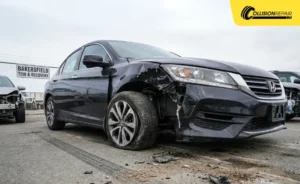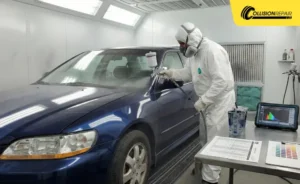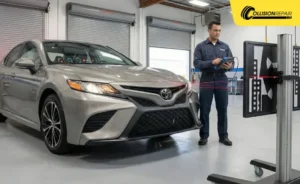
After weeks of waiting, your car finally comes back from the shop. The paint looks fresh, the dents are gone, but something still feels off. Maybe it pulls to one side, vibrates at higher speeds, or the doors don’t close the same. That’s when most drivers realize why inspections after an accident matter. Hidden frame or structural damage can remain undetected beneath the surface, quietly compromising your safety.
In this guide, we’ll explain how frame damage happens, why it’s often overlooked, and what you need to know to keep you, your vehicle, and family truly safe.
What Frame Damage Really Is (and Why It’s Critical)
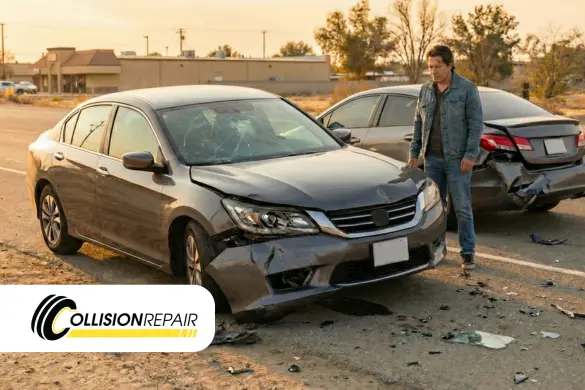
Your car’s frame and structure form the foundation of the vehicle, absorbing impact forces and keeping passengers safe during a collision. Even when the exterior appears fine, a crash can cause structural components to shift or twist, which may not be visible without proper diagnostics.
Key areas that can suffer hidden damage:
- Unibody structure: The main load-bearing frame that distributes impact.
- Subframe: Reinforced sections supporting the engine, suspension, and steering.
- Welded joints: Stress points that can bend or crack.
- ADAS components: Safety sensors and other Vehicle safety technologies require precise Calibrations.
When these parts are compromised, your alignment, handling, and safety performance suffer. Thorough inspections after an accident, including diagnostic scanning and frame diagnosis, ensure that any vehicle damage is identified early, and the repair process restores the vehicle’s true structural integrity.
Signs Your Frame Is Bent or Misaligned
You may notice slight changes in how your vehicle drives after collision repairs, especially when the car frame and structure are affected. Common warning signs include:
- Uneven tire wear
- Pulling to one side
- New gaps between panels
- Rattling noises or strange vibrations
Drivers often overlook these clues because they appear gradually. That’s why structural inspections after a collision are essential.
How Frame Damage Affects Crash Safety & Airbag Deployment
NHTSA research indicates that even slight shifts in the car’s frame and structure can compromise critical safety systems. When structural components are misaligned, you may experience:
- Weakened crumple zones that absorb impact unevenly
- Incorrect ADAS readings, affecting distance detection and emergency braking
- Delayed or improper airbag deployment increases injury risk
Skipping inspections after an accident leaves these dangers hidden. Proper structural analysis protects passengers, children, and your long-term crash safety.
How Certified Shops Detect Hidden Structural Damage (Laser & Computer Systems)
A trusted auto body shop in Bakersfield utilizes advanced technology to identify hidden structural issues that basic repair shops often overlook. Modern diagnostics include:
- Laser frame-measuring systems that detect millimeter-level distortion
- Diagnostic scanning for ADAS and safety-sensor faults
- ADAS calibrations to restore steering, braking, and collision-avoidance accuracy
- OEM component procedures, and I-CAR–certified repair methods to ensure exact manufacturer standards
These detailed inspections, conducted after an accident, confirm whether your vehicle’s structure is truly safe before returning to the road.
Why You Should Never Drive a Car With Possible Frame Issues
Driving a vehicle with potential frame damage puts you at serious risk. Skipping proper inspections after an accident can lead to:
- Higher crash risk due to weakened structural support
- Steering and alignment problems that reduce control
- Increased tire blowout risk from uneven pressure and wear
- Legal consequences if your unsafe vehicle causes another collision
Even short trips can become dangerous—never ignore possible structural issues.
FAQs
How do I know if my vehicle needs additional diagnostic scanning after a collision?
If your dashboard lights, ADAS features, or Advanced Driver Assistance Systems behave differently, you likely need Diagnostic Scanning. Modern vehicles rely on sensors that can be disrupted even in minor impacts.
Can windshield damage affect my vehicle’s structural safety?
Yes. Modern windshields support ADAS cameras and help stabilize the roof structure. Incorrect windshield replacement or poor auto glass installation can weaken safety performance and interfere with calibrations.
Will frame repairs affect my vehicle’s warranty or lifetime guarantee?
When repairs follow OEM body parts, repair methods, and I-CAR Gold Certified procedures, warranties and Lifetime Warranty protections typically remain intact. Always choose a repair shop that provides documentation and stands behind its workmanship.
Choose a Shop You Can Trust for Structural Analysis
At Collision Repair (CORE), we believe getting your car fixed after an accident shouldn’t feel overwhelming—or expensive. That’s why our mission is simple: connect you instantly with trusted repair shops and towing services you can rely on, right when you need them most.
Whether you’ve experienced a minor fender bender or a serious collision, our Zero Out-of-Pocket Expense Guarantee helps you get back on the road without financial stress. We work directly with auto insurance providers to cover your deductible, so you never pay a cent for qualified car repairs or towing services.
Every shop on our platform is CORE-certified, ensuring high-quality workmanship, verified customer reviews, and a commitment to safety. No more guessing, searching endlessly, or wondering who to trust, CORE delivers fast, reliable solutions you can feel confident about.
At CORE, we’re more than a directory; we’re your dedicated partner in car repair and roadside support. Whether you’re a resident or just passing through, count on us every step of the way.
Contact us today for a free quote