OVERVIEW
After an accident, you deserve repairs that restore your confidence behind the wheel, not new worries about color mismatch or quality issues. Paint matching after collision repair is a detailed process that affects how your car looks, drives, and sells. This guide shows how certified shops ensure seamless finishes and how you can make sure it’s done right.
Table of Contents
You finally pick up your car after an accident. The body shop did a great job at dent removal, Windshield Repairs, and frame straightening. But in the sunlight, the color looks slightly off. That moment of doubt is more common than you think. Paint matching after collision repair isn’t just about appearance. It affects your vehicle’s value, insurance satisfaction, and how confident you feel driving it every day.
This guide explains that when your new paint doesn’t match correctly, it can signal rushed repairs, lower-quality materials, and long-term issues beyond cosmetics.
How Paint Matching Works in Collision Repair
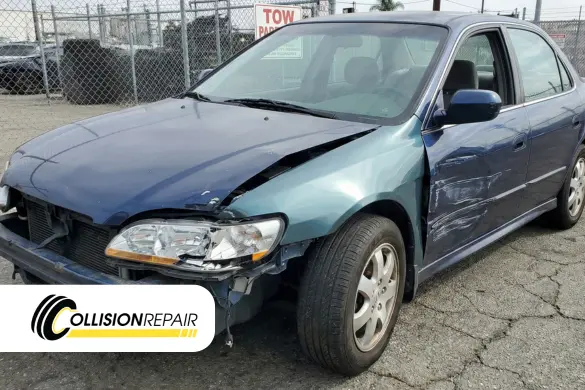
Paint matching is a precise, multi-step process, not just choosing a color code. During paint matching after collision repair, certified technicians focus on:
- Analyzing your vehicle’s current paint, including fading and wear
- Mixing paint to match the existing finish, not just factory formulas
- Using controlled paint booths to ensure consistency and accuracy
- Blending into adjacent panels to create a seamless appearance
Following factory specifications and NHTSA regulations on the safety of motor vehicles and related equipment ensures that the repair restores your vehicle’s original look and quality.
Why Factory Color Codes Alone Are Not Enough
Factory color codes identify the original paint formula—but they don’t guarantee a perfect match.
Color differences happen because:
- Paint fades over time due to sun exposure and aging
- OEM paint formulas vary between production batches
- Environmental factors alter how paint appears on each vehicle
That’s why relying only on codes for the repair process often leads to visible mismatches in paint matching after collision repair. Accurate results require real-world evaluation and blending.
Common Paint Matching Problems After Poor Repairs
Poor-quality work often becomes obvious once your vehicle is back in natural light. Common issues seen after rushed repairs include:
- Panels that look different in sunlight, even if they matched indoors
- Metallic or pearl flake inconsistency, causing uneven sparkle
- Texture, gloss, or clear-coat problems that feel rough or dull
These defects usually happen when shops rush the process or skip proper blending. Inaccurate paint matching after collision repair is often a sign that quality standards weren’t followed.
How Sun Exposure and Aging Affect Vehicle Paint
Over time, UV exposure, oxidation, and environmental wear cause paint to fade and lose depth, making older vehicles harder to match accurately.
That’s why quality repairs require body smoothing and sanding, followed by proper primer, paint, and clear coat application. To create a precise paint matching after collision repair restores a consistent vehicle’s factory look, technicians blend paint into adjacent panels to prevent visible lines.
The Role of Technology in Accurate Paint Matching
Modern collision repair relies on advanced tools to achieve consistent results. At a trusted auto body shop in Los Angeles, accurate paint work depends on:
- Computerized color-matching systems that analyze your vehicle’s exact shade
- Paint-mixing systems that ensure precise pigment ratios
- Controlled spray-booth environments that regulate airflow, lighting, and temperature
These technologies allow technicians to adjust for fading and finish variations. When used correctly, technology significantly improves paint matching after collision repair, delivering a seamless look that restores your vehicle’s factory appearance.
Why Paint Quality Impacts Vehicle Value
Paint quality plays a direct role in how buyers and dealers evaluate your vehicle. Visible mismatches or uneven finishes can raise red flags during resale or trade-in, leading to reduced offers. Insurance-grade materials may restore function but often lack durability and depth. High-quality paint matching after collision repair preserves appearance, minimizes diminished value, and helps your vehicle maintain its market appeal.
What to Ask Your Collision Shop About Paint Matching
Before approving repairs, ask the right questions to protect your results. A reliable collision repair provider should explain:
- How they blend paint into the surrounding panels
- What materials they use and whether a warranty is included
- Their certifications, such as I-CAR or OEM training
- Whether they provide documentation and photos of the work
Asking these questions ensures proper paint matching after collision repair and helps you choose a shop committed to quality.
FAQs About Paint Matching After Collision Repair
Is a slight color difference normal?
Minor variation can occur, but noticeable differences usually signal poor blending or rushed auto painting.
Can insurance limit paint quality?
Yes. Some insurance companies approve lower-cost materials unless factory-quality paint and proper repair methods are requested.
Does paint matching affect my warranty?
Proper paint matching following a collision repair—using OEM parts, factory specifications, and certified technicians—helps protect workmanship and Lifetime Warranty coverage.
Protect Your Vehicle’s Appearance and Value
If you’re concerned about paint matching after collision repair, choose an auto body shop in Los Angeles with certified technicians, documented workmanship, throughout quality inspection, and excellent customer service.
Get your free estimate today and see how proper repairs restore your vehicle to its pre-collision condition—with care you can trust.